Rototilling & Soil Preparation
Rototilling & Soil Preparation Services: Cultivating the Foundation for Thriving Landscapes
Proper soil preparation is the cornerstone of successful landscaping and agriculture. Our Rototilling & Soil Preparation Services are designed to transform compacted, nutrient-poor soil into fertile ground ready for planting. Utilizing advanced rototilling equipment, we break up hardened soil, incorporate organic matter, and create an optimal environment for plant growth.
Our Comprehensive Soil Preparation Process

Site Assessment
We begin by evaluating the soil type, moisture levels, and existing vegetation to determine the most effective approach for your specific needs.
Debris Removal
Our team clears the area of rocks, roots, and other debris that could hinder the rototilling process.
Rototilling
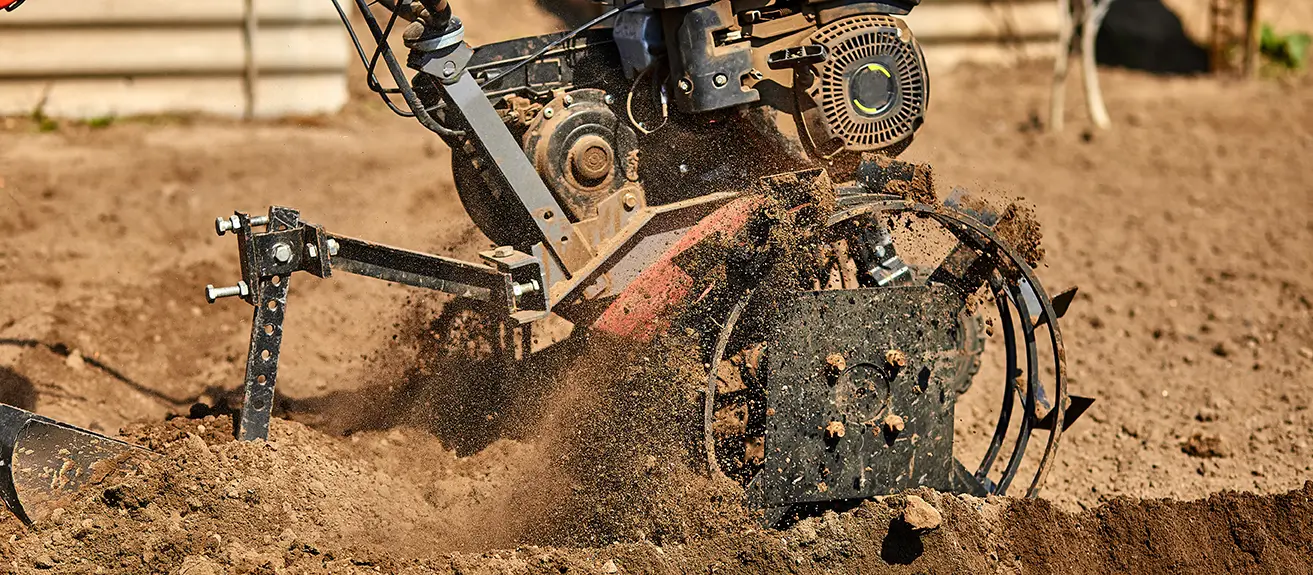
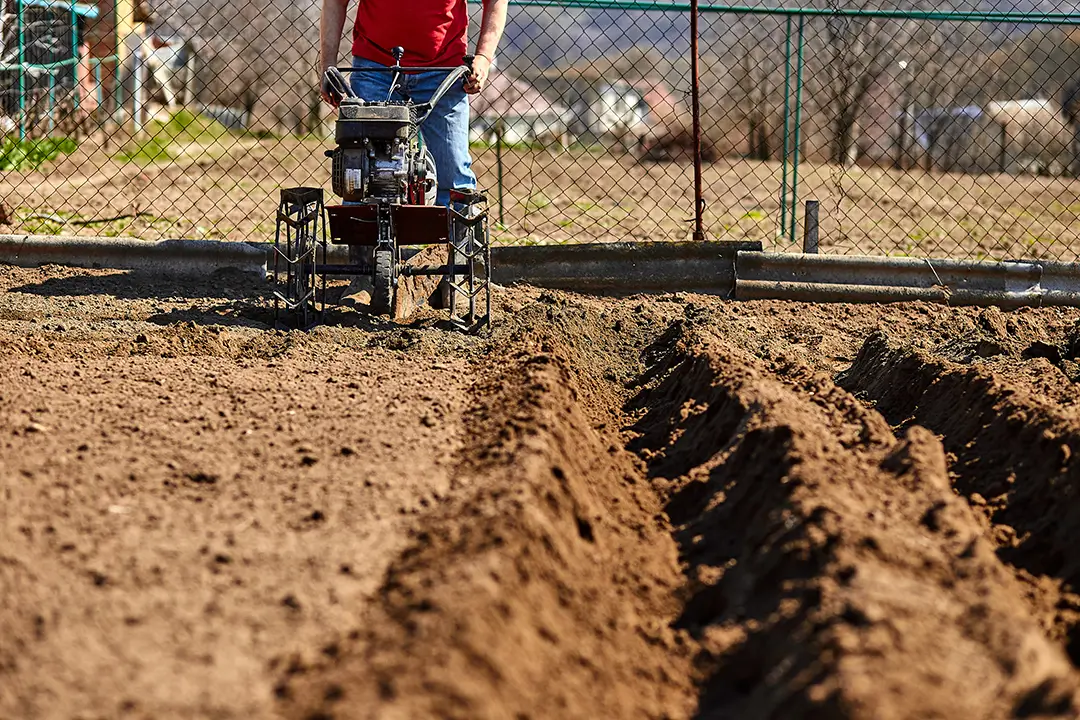
Using professional-grade rototillers, we cultivate the soil to the appropriate depth, ensuring optimal conditions for planting.
Soil Amendment Integration
We incorporate compost, fertilizers, or other soil amendments as needed to enrich the soil and promote plant health.
Final Grading
After rototilling, we level the soil surface to prepare it for planting or further landscaping activities.
Why Choose Our Rototilling & Soil Preparation Services?
Enhanced Soil Aeration and Structure
Improved Nutrient Distribution
By mixing organic matter and fertilizers evenly throughout the soil, rototilling ensures that nutrients are readily available to plants, fostering robust growth.
Effective Weed Control
Rototilling disrupts weed growth by uprooting existing weeds and burying their seeds, reducing competition for resources among plants.
Time and Labor Efficiency
Compared to manual soil preparation, rototilling significantly reduces the time and effort required to prepare large areas, making it an efficient choice for both residential and commercial projects.
Ideal Applications

Garden Bed Preparation
Creating fertile ground for vegetables, flowers, and ornamental plants.
Lawn Installation
Establishing a healthy foundation for new sod or seed lawns.
Landscaping Projects
Preparing soil for trees, shrubs, and other landscape features.
Agricultural Fields
Enhancing soil conditions for crop production.
Conclusion
Investing in professional rototilling and soil preparation services sets the stage for a thriving landscape. By improving soil structure, nutrient availability, and weed control, our services provide the essential groundwork for successful planting and long-term plant health. Let us help you cultivate the perfect environment for your next landscaping or agricultural project.
Frequently Asked Questions
When is the best time to rototill?
Early spring or fall, when temperatures are moderate and plants are dormant, minimizes stress on existing vegetation and allows amendments to integrate before active growth begins.
How deep should the soil be tilled?
For most landscaping and planting projects, we recommend rototilling to a depth of at least four inches to ensure adequate loosening and incorporation of soil amendments.
What equipment do you use for rototilling?
Do I need to remove debris before rototilling?
How often should I rototill my soil?
Can rototilling harm soil structure?
Additionally, avoid rototilling within the critical root zone of mature trees to prevent damage to shallow roots that extend well beyond the trunk drip line.
Get in Touch Today!
Explore our wide range of professional services designed to meet your needs. Contact us now!